New to essential oils and not sure where to begin? You’re in the right place. This beginner’s guide breaks down what essential oils actually are, the many ways you can use them, how to dilute them safely, and what to look for when choosing a quality brand — so you can skip the overwhelm and get started with confidence.
What Are Essential Oils?
Essential oils are the aromatic compounds found naturally in plants. If you’ve ever crushed a mint leaf and caught that instantly recognisable scent, you’ve experienced an essential oil being released straight from the plant.
These oils are extracted from various parts of a plant, including the leaves, flowers, fruit peel, seeds, bark, and root. The two most common extraction methods are steam distillation (used for most plant material) and cold pressing (typically used for citrus peels).
Interesting fact: Essential oils are incredibly concentrated. It takes around 75 lemons to cold-press just one 15 ml bottle of lemon essential oil, and approximately 242,000 rose petals to distil roughly 5 ml of rose oil.
Benefits of Using Essential Oils
People have turned to the healing power of plants for thousands of years, and essential oils have been used for close to 6,000 years. Today, they’re widely valued for their therapeutic properties, including:
- Supporting relaxation and stress relief
- Helping to reduce inflammation
- Strengthening the immune system
- Providing skin-soothing benefits
How to Use Essential Oils for Beginners
There’s no single “right” way to use essential oils — it really comes down to what you’re hoping to achieve. Here are four of the most popular methods for beginners.
1. Aromatherapy Diffuser
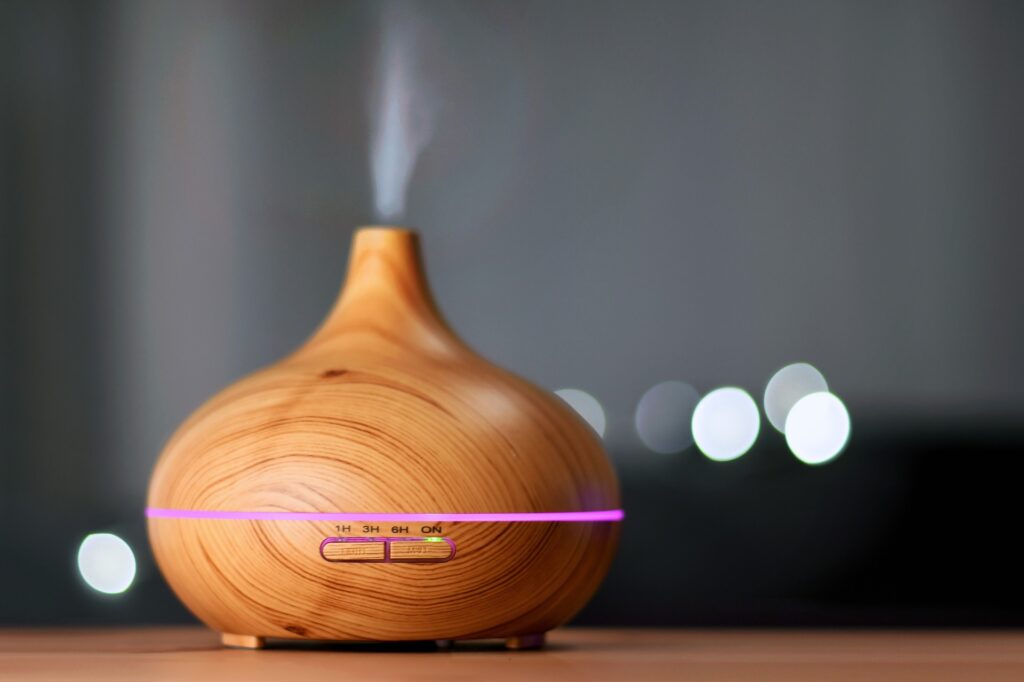
A diffuser disperses essential oils into the air, filling a room with a pleasant scent while delivering the therapeutic benefits of aromatherapy.
Benefits of diffusing:
- Purifies the air
- Reduces stress
- Promotes better sleep
- Improves mood
There are several types of diffusers to choose from:
- Ultrasonic — uses water and electronic frequencies to disperse a fine, cool mist without heat or chemicals
- Nebulizing — disperses pure, undiluted oil into the air without water or heat, offering optimal therapeutic strength
- Heat — uses gentle heat to help the oil evaporate into the air
- Evaporative — uses a fan to spread scent from a pad or wick soaked in essential oil
2. Aromatherapy Inhalers
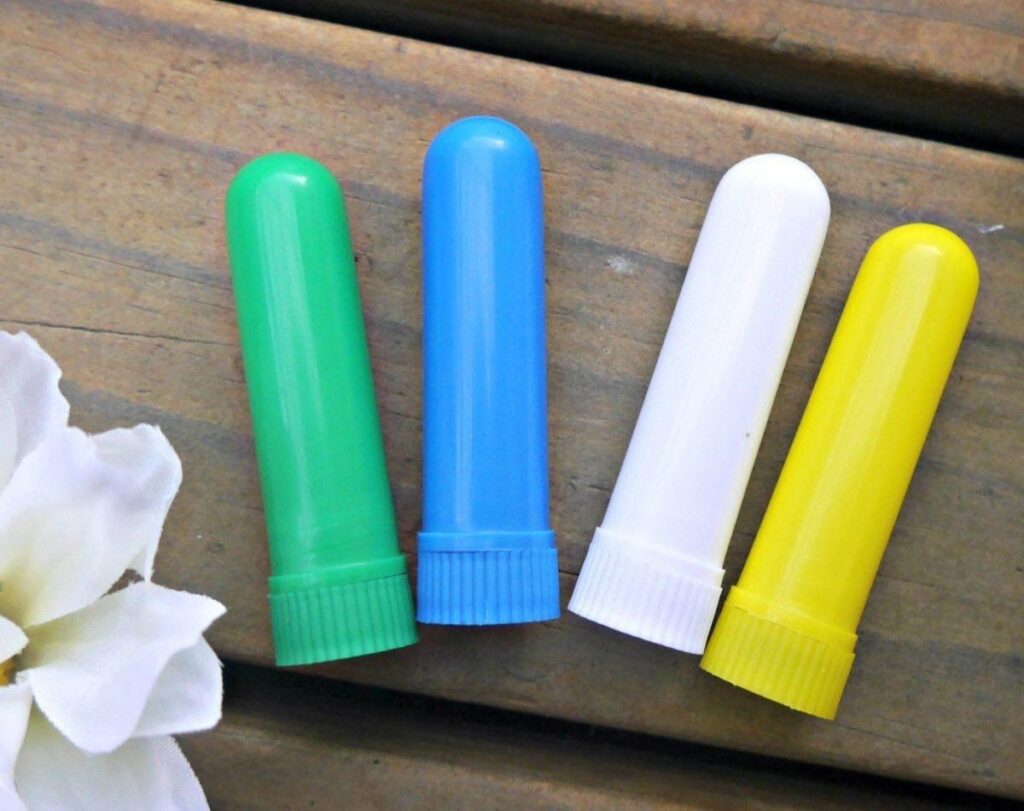
Often called aromasticks, inhalers give you instant access to essential oils wherever you are. About the size of a lipstick tube, they contain a cotton wick you saturate with a few drops of oil — simply breathe in slowly and deeply to enjoy the benefits.
Benefits of inhalers:
- Affordable and portable — easy to keep in a bag, pocket, or desk drawer
- Can support respiratory comfort
- May help ease stress and anxiety
- Can help settle nausea or travel sickness
3. Topical Application
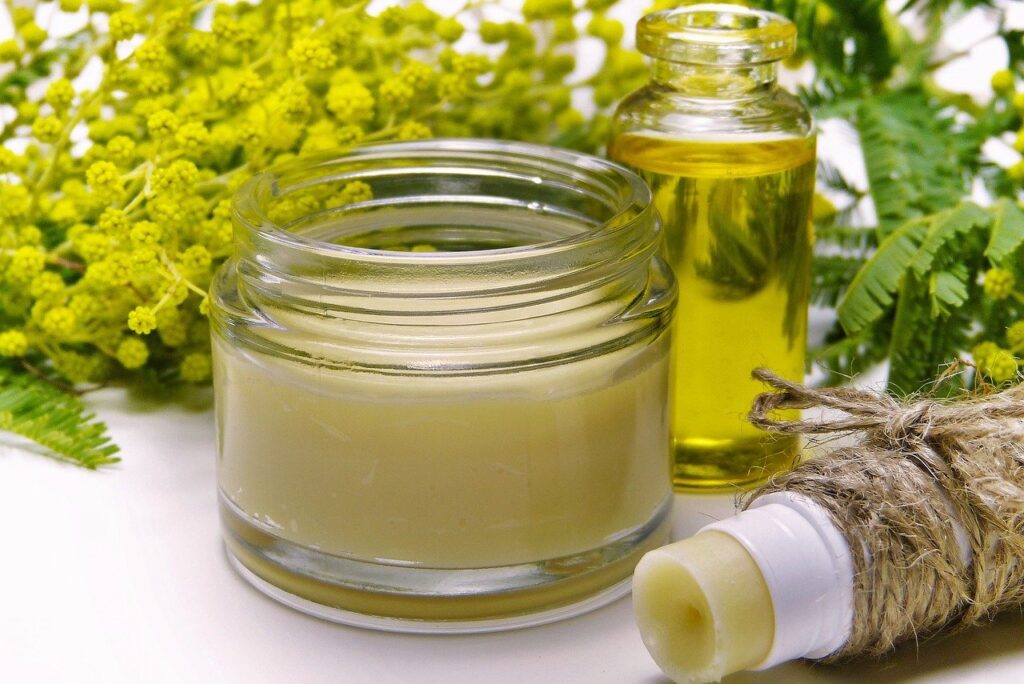
Essential oils are also fantastic for targeted body care. Common application points include the pulse points, temples, chest, and soles of the feet.
Because pure essential oils are highly concentrated, applying them directly to the skin can cause irritation, sensitisation, or even burns. That’s why it’s essential to dilute essential oils in a carrier oil — such as sweet almond oil, jojoba oil, or fractionated coconut oil — before topical use. The right dilution ratio depends on factors like the age of the user, the specific oil, and where on the body it will be applied.
Benefits of topical use:
- Can support the treatment of minor skin concerns
- May help ease everyday aches and discomfort
- Delivers targeted relief to a specific area
- Supports overall immune health
4. In the Bath
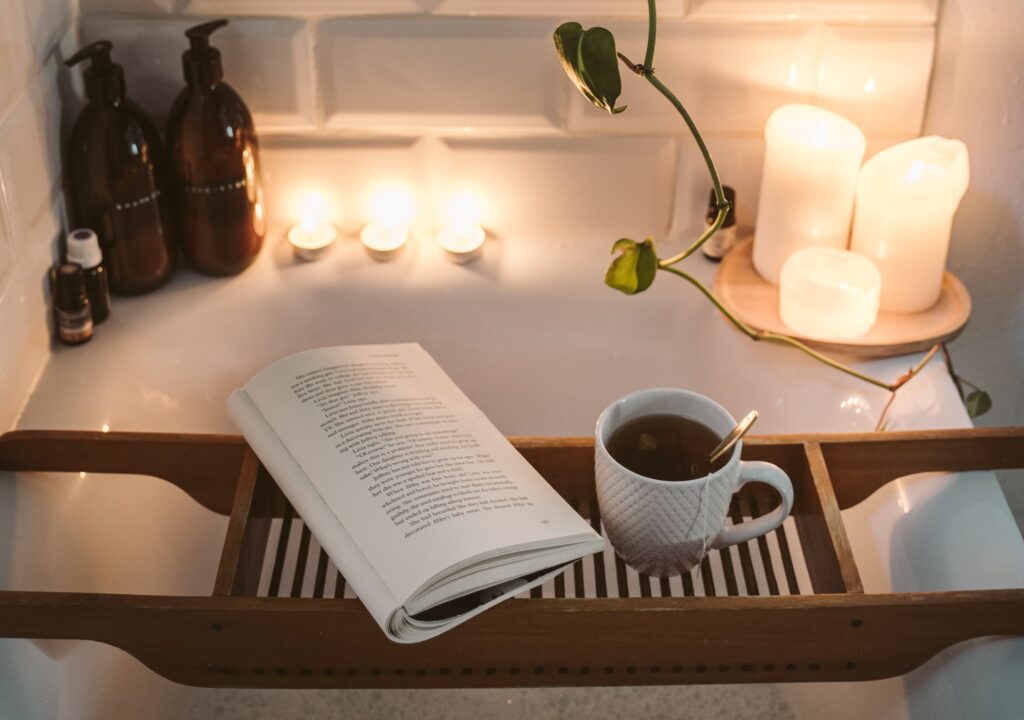
Adding essential oils to your bath is one of the simplest ways to enjoy their benefits — your skin absorbs the therapeutic properties while you inhale the aroma at the same time.
Note: Always dilute essential oils in a tablespoon of carrier oil before adding them to bath water. Undiluted oil can irritate the skin on direct contact.
Benefits of a bath soak:
- Helps the body de-stress and unwind
- Eases muscle aches and tension
- Supports respiratory comfort
- Encourages relaxation and better sleep
For an extra therapeutic boost, try combining your diluted oils with bath salts — this homemade bath salts recipe is an easy place to start.
A Quick Note on Dilution
Whether you’re applying oils topically or in the bath, dilution is non-negotiable for safe use. As a general guide:
| Dilution | Use Case |
|---|---|
| 2% | Everyday, general wellness use |
| 5–10% | Short-term, acute situations (less than two weeks at a time) |
Dilution needs also change depending on the age of the user, so always research age-appropriate guidelines before using essential oils on children. If you’d like a more hands-on way to apply diluted oils, a DIY essential oil roller is a great next step once you’ve got the basics down.
Choosing a Quality Essential Oil Brand
Not all essential oils are created equal, and quality matters. With so many brands on the market, it pays to do a little research before you buy. Use this checklist to help you choose a reputable company:
- You know exactly where the oils are sourced from
- You know the exact chemical constituents that make up each oil
- The oils are 100% non-GMO and GMP (Good Manufacturing Practice) certified, using sustainable farming practices
- Detailed third-party test reports (such as GC/MS testing) are available for each batch
- Certified aromatherapists are on staff to answer your questions
- The company provides clear, current safety information for customers
- Kid-safe and pet-safe oils are clearly labelled, if relevant to your household
Frequently Asked Questions
Are essential oils safe to use directly on the skin? No. Pure essential oils are highly concentrated and can irritate or burn skin undiluted. Always mix with a carrier oil first.
How do I dilute essential oils properly? Use a 2% dilution for everyday use, or 5–10% for short-term, acute situations under two weeks. Adjust for age, especially with children.
Can I use essential oils around children or pets? Some oils are safe in the right dilution, others aren’t. Choose brands with clearly labelled kid-safe and pet-safe oils, and check with your doctor or vet first.
What’s the difference between a diffuser and an inhaler? A diffuser fills a whole room with scent — great for home use. An inhaler is portable and delivers oils directly when you breathe in — great for on the go.
How do I know if an essential oil brand is high quality? Look for transparent sourcing, third-party test reports (GC/MS), GMP certification, and non-GMO oils. Bonus points for certified aromatherapists on staff.
How should I store essential oils? Keep them away from sunlight and moisture, and store in glass or ceramic — essential oils can degrade plastic over time.

Simple Tips for Getting Started
- Always talk to your doctor before using essential oils for a specific health concern — this guide isn’t a substitute for medical advice
- Do a patch test first if you have sensitive or easily irritated skin
- Citrus oils increase sun sensitivity, so avoid direct sun exposure for 12 hours after applying
- Store oils away from sunlight and moisture to preserve their potency
- Essential oils are strong enough to strip nail polish and even damage plastic, so stick to glass or ceramic containers and utensils when mixing or applying
- Oils and carrier oils can stain fabric and furniture, so apply with care
Essential oils might start out as something that simply makes a room smell nice, but once you understand how to use them safely, they become a genuinely powerful addition to your everyday wellness routine — supporting everything from how you feel day to day to the natural products you choose to bring into your home.