Life can feel overwhelming at times. Between work, family responsibilities, health concerns, and the everyday demands of life, it’s easy to feel stressed, anxious, or emotionally drained.
If you’re looking for a gentle, natural way to support your emotional wellbeing, EFT tapping may be worth exploring.
Also known as Emotional Freedom Techniques (EFT), tapping is a simple mind-body practice that combines gentle tapping on specific acupressure points with focused thoughts and affirmations. Many people use tapping to help manage stress, reduce anxiety, and create a greater sense of calm in their daily lives.
Whether you’re completely new to tapping or simply curious about its benefits, here’s what you need to know.
What Is Tapping?
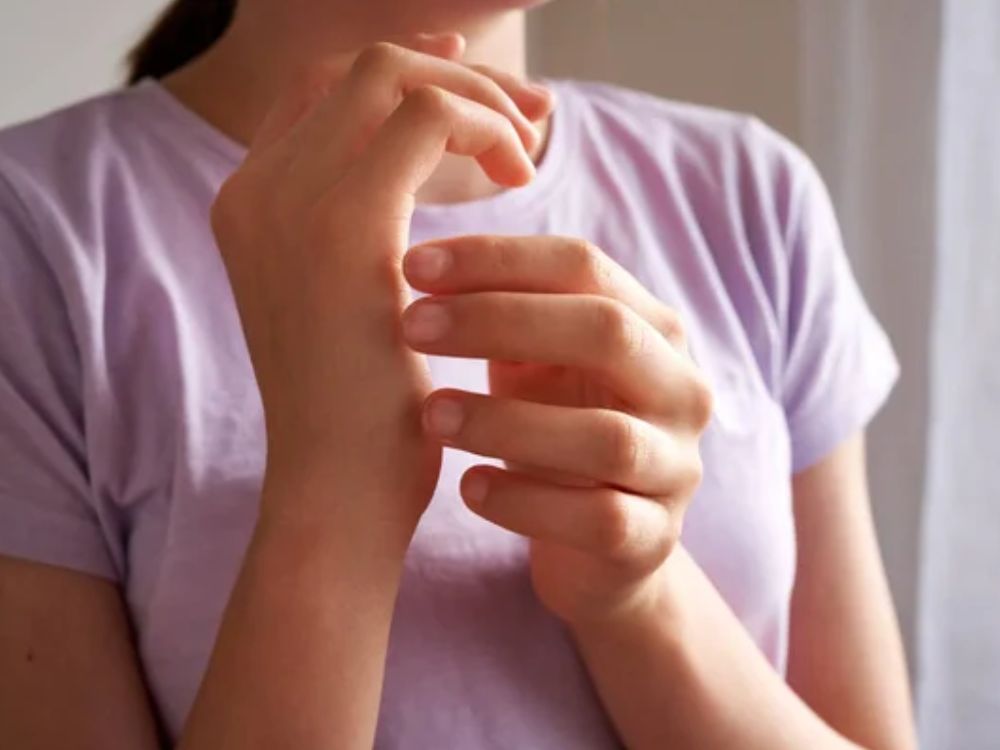
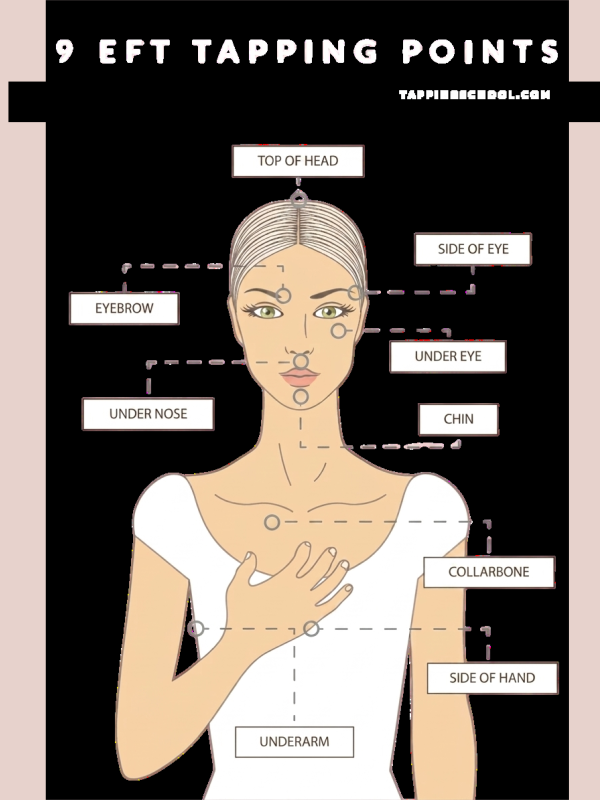
Tapping is a self-help technique that involves gently tapping with your fingertips on specific points on the face and upper body while focusing on a particular thought, emotion, or situation.
The tapping points are based on traditional Chinese medicine meridian points, while the verbal component encourages awareness and acceptance of your feelings.
The practice is designed to help calm the body’s stress response, making it easier to process emotions and restore a sense of balance.
One of the reasons tapping has become so popular is its simplicity. It requires no special equipment, can be learned quickly, and can be practised almost anywhere.
Benefits of Tapping
1. May Help Reduce Stress
One of the most common reasons people try tapping is to help manage stress.
When we’re feeling overwhelmed, our bodies can remain in a heightened state of alertness. Tapping may help calm the nervous system and encourage the body to relax.
Many people report feeling more grounded, centred, and at ease after just a few minutes of tapping.
2. Can Support Anxiety Management
Worry and anxious thoughts can sometimes feel difficult to switch off.
Tapping encourages you to acknowledge those feelings without judgment while using a calming physical technique. For many people, this combination helps reduce the intensity of anxious emotions and promotes a greater sense of calm.
3. May Improve Emotional Wellbeing
Life naturally brings a mix of emotions, from joy and excitement to frustration, sadness, disappointment, and self-doubt.
Rather than pushing difficult feelings aside, tapping provides an opportunity to acknowledge and process them in a gentle way. Over time, this can help build emotional resilience and self-awareness.
4. May Help Reduce Feelings of Overwhelm
Many women, particularly during midlife, find themselves juggling multiple responsibilities while caring for everyone around them.
Tapping can offer a simple pause during a busy day. Even a short session may help create a sense of calm and clarity when life feels particularly demanding.
5. Can Support Healthy Lifestyle Changes
Our emotions often influence our habits and behaviours.
Some people use tapping to address emotional triggers related to stress eating, food cravings, lack of motivation, or negative self-talk. While it isn’t a magic solution, tapping may help support a more mindful approach to creating healthy habits.
6. May Promote Better Sleep
Stress and racing thoughts can make it difficult to relax at the end of the day.
Many people find that tapping before bed helps them release tension, quiet a busy mind, and prepare for a more restful night’s sleep.
7. Easy to Learn and Practice Anywhere
One of the greatest benefits of tapping is that it’s accessible to almost everyone.
You don’t need expensive equipment, memberships, or a large time commitment. Once you’ve learned the basic tapping points, you can use the technique whenever you need a moment of calm and self-care.
How to Get Started with Tapping
If you’re new to tapping, start by identifying a feeling you’d like to work on, such as stress, worry, frustration, or overwhelm.
Rate the intensity of that feeling on a scale from 0 to 10.
As you gently tap through the EFT points, repeat a simple statement such as:
“Even though I’m feeling stressed right now, I accept myself and how I feel.”
After a few rounds of tapping, pause and notice whether the intensity of the feeling has changed.
Like many wellness practices, consistency is often more important than perfection. Even a few minutes of tapping each day may help support your overall emotional wellbeing.
Watch Tapping in Action
If you’re new to tapping, watching someone demonstrate the technique can make it much easier to understand.
The video below provides a simple introduction to tapping and shows how the tapping points are used in practice. Following along can help you feel more confident trying the technique for yourself.
Whether you’re feeling stressed, overwhelmed, or simply curious about tapping, take a few minutes to watch and experience the practice firsthand.
A Simple Practice for Finding Calm
Life doesn’t always slow down, but having simple tools to support your wellbeing can make a meaningful difference.
Tapping offers a gentle way to pause, check in with yourself, and release some of the stress and emotional tension that can build up during busy seasons of life.
While it may not solve every challenge, many people find that regular tapping helps them feel calmer, more resilient, and better equipped to navigate everyday ups and downs.
If you’re curious about tapping, consider setting aside just five minutes today to give it a try. Small moments of self-care can add up over time, helping you feel more balanced, grounded, and connected to your wellbeing.
As always, tapping is not intended to replace professional medical or mental health care. If you’re experiencing significant emotional or psychological challenges, seek support from a qualified healthcare professional.

Frequently Asked Questions About Tapping
Does Tapping Really Work?
Many people report positive experiences with tapping for stress, anxiety, and emotional wellbeing. Research into tapping continues to grow, although results can vary from person to person.
How Often Should You Do Tapping?
There is no perfect schedule. Some people tap daily, while others use it whenever they feel stressed, anxious, or emotionally overwhelmed.
Is Tapping Safe?
Tapping is generally considered a safe self-help practice for most people. However, it should not replace medical advice, diagnosis, or treatment from a qualified healthcare professional.
Can Tapping Help with Anxiety?
Many people use tapping as part of their stress-management toolkit. Some find it helps reduce feelings of anxiety and promotes a greater sense of calm and emotional balance.